
Gastric sleeve surgery
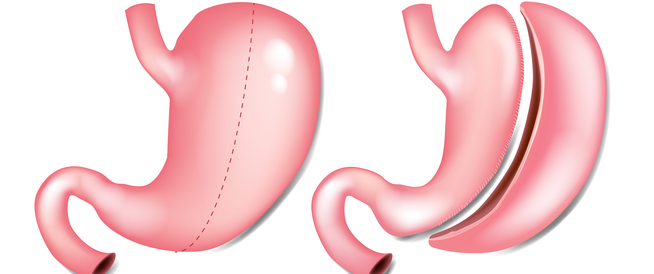
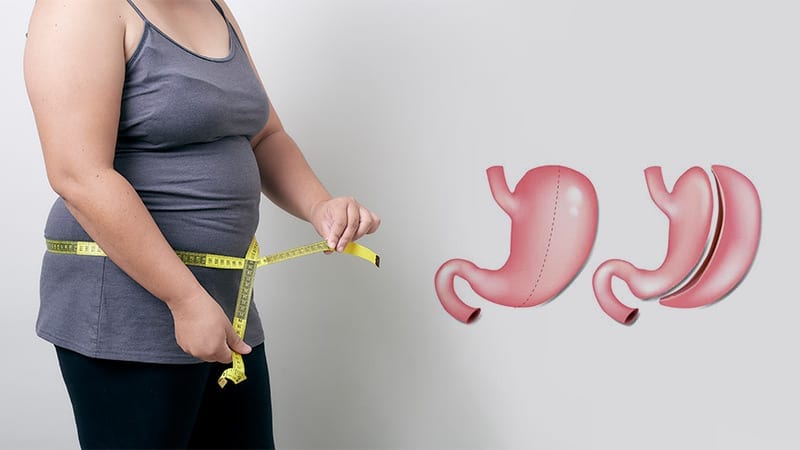
Sleeve gastrectomy is a surgical procedure used for weight loss. The principle of the operation is based on cutting a large portion of the stomach, up to 80% of its size. This causes the person to feel full and satisfied after eating a small amount of food, which helps in losing weight. The operation also leads to some hormonal changes that also help in losing more weight. It is worth noting that the hormonal changes that occur may help in getting rid of health problems associated with obesity, such as high blood pressure and various heart diseases. This operation requires making major changes in the person’s eating habits. It is worth noting that the gastric sleeve operation is a permanent operation that cannot be reversed and remains with the person throughout his life.
Reasons for gastric sleeve surgery
Gastric sleeve surgery is usually not resorted to until a person has tried to get rid of excess weight by changing eating habits and practicing weight-loss exercises. In fact, gastric sleeve surgery can be performed on people who suffer from excess obesity, such that their body mass index (BMI) reaches 40 or more, or in some cases where the person’s BMI ranges between 35-39.9, in addition to obesity being accompanied by some related health problems such as high blood pressure, type 2 diabetes, or severe sleep apnea. It is worth noting that in addition to losing excess weight, gastric sleeve surgery may have other benefits in reducing the risk of diseases associated with obesity.
Eating habits after gastric sleeve surgery
After gastric sleeve surgery, the person is required to drink only clear liquids during the first day after the operation. After leaving the hospital, the person is required to eat only foods and protein shakes for a full month. After this period, the person can eat soft foods very slowly. After a period of two to three months, the person can eat regular meals in smaller quantities than before. Other points related to eating habits that should be taken into consideration after this procedure are the following:
Chew food well before swallowing.
Take nutritional supplements containing vitamins and minerals daily.
Avoid soft drinks and high-calorie snacks.
Do not drink while eating to avoid full stomach.
Drink fluids half an hour after finishing a meal.
Most frequently asked questions about gastric sleeve surgery
What is gastric sleeve surgery?
Gastric sleeve surgery is a weight-loss surgical procedure in which a large portion of the stomach (approximately 75-80%) is removed, significantly reducing its size and making it resemble a tube or "sleeve." This helps patients eat less food and feel full more quickly.
Who is the ideal candidate for gastric sleeve surgery?
The ideal candidate for the procedure is someone who is morbidly obese (BMI greater than 40) or who has obesity with associated health problems such as type 2 diabetes, high blood pressure, or sleep apnea. The patient must have tried other weight loss methods without significant success.
What are the benefits of gastric sleeve surgery?
The benefits of gastric sleeve surgery include significant and sustainable weight loss, improvement or treatment of obesity-related health conditions such as type 2 diabetes, high blood pressure, high cholesterol, and sleep apnea. The procedure can also improve overall quality of life.
What are the risks and potential complications of gastric sleeve surgery?
Potential risks and complications include infection, bleeding, leakage from the surgical site, blood clots, vitamin and mineral deficiencies due to altered absorption, and gastroesophageal reflux disease. Although these risks are rare, patients should discuss all details with their surgeon and fully understand them before the procedure.
 English
  العربية